

Preschool Program
Ages 31 months - 4 years
“Play is the highest expression of human development in childhood, for it alone is the free expression of what is in a child’s soul.””
Our Preschool program is thoughtfully designed to support children during these important early years!
At this stage of development, children are curious, inquisitive beings! They are eager to learn and are always asking questions, testing out theories, and sharing their thoughts and ideas. This is also a very critical stage in social and emotional development.
Our preschool program nurtures this natural inquisitiveness through play-based learning, open-ended experiences, and opportunities for collaboration and problem-solving.
We also prioritize “School readiness” to prepare children for their next big adventure in kindergarten! While scissor skills, hand grasp and letter and number recognition are important, We also focus on fostering empathy, modeling self regulation skills, and encouraging independence with self help skills. These skills are just as vital for children to succeed and thrive in school.
At our centre, we strive to create a learning environment that is warm, inviting, and provides a sense of calm to the children and families walking in. We want the children to feel safe and comfortable enough to explore, take risks, and develop confidence in themselves and their abilities.
Our Learning Areas
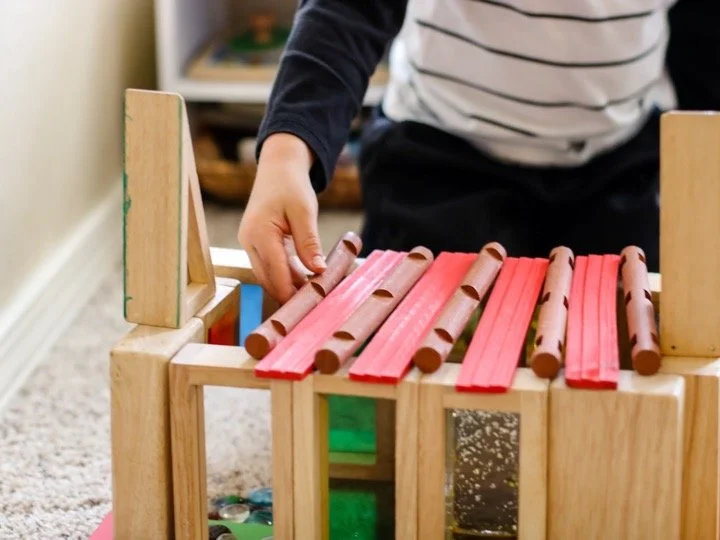
Building & Blocks
Through stacking, arranging and balancing blocks, children learn many fundamental skills!
They are developing communication skills, empathy, and the ability to work with others when they collaborate with peers
They are practicing self regulation and learning to cope with frustration when their blocks keep falling over. They are also developing resilience to keep going when things get tough.
They are developing problem solving skills and using their creativity and imagination, as this type of play can often extend to pretend play!
We recognize how important this area of play is for children, so we offer a spacious block area in our Preschool classroom. This area is stocked with multiple types of blocks and building materials, as well as open ended materials and loose parts to encourage creativity and innovation!
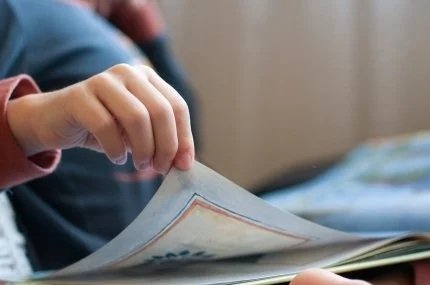
Language & Literacy
Early exposure to literacy is crucial for a child’s language development
Did you know? At 18 months, a child should have a minimum of 20 words in their vocabulary. By 3 years old, children can have anywhere between 500 - 1000 words!
For young children, language development isn’t just about the size of their vocabulary though, it is about how they express themselves, share their feelings, communicate their needs, and connect with the world.
We incorporate literacy every day through songs, stories, conversations, modeling words, and introducing new words to expand their play. The preschool room is often the loudest room, because there are always so many meaningful conversations happening between the children and the educators.
We also believe in offering a literacy rich environment for children, and we do this by displaying labels, children’s names, signage and incorporating letters into other learning areas in the classroom!
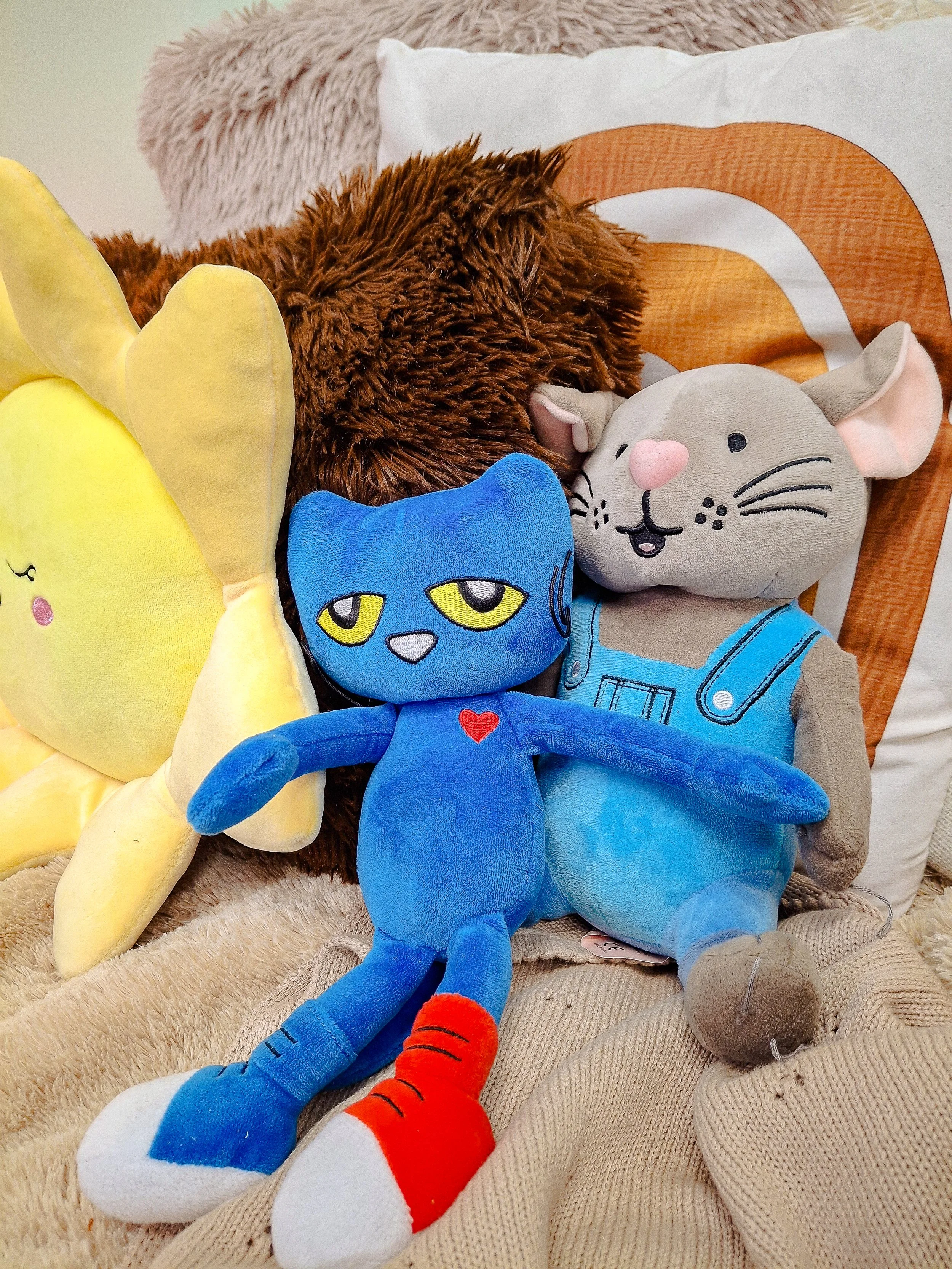
Creative Arts
We believe that children are capable and competent. We also know that in order to foster creativity, independence and confidence in a child’s skills, we need to step back and let the child lead.
In our art area, we invite children to experiment with a variety of materials, textures, and tools, allowing them to create in ways that are meaningful to them. Our art experiences are open-ended, interest based, and support each child’s creativity and self expression.
Rather than focusing on a finished product, we value the creative process. When we give children the freedom to express themselves through art without rules or instructions, we are giving them an opportunity to develop their fine motor skills, problem solving skills, and to take pride in their work!
We love to display the children’s artwork around the centre so they can show off their masterpieces!
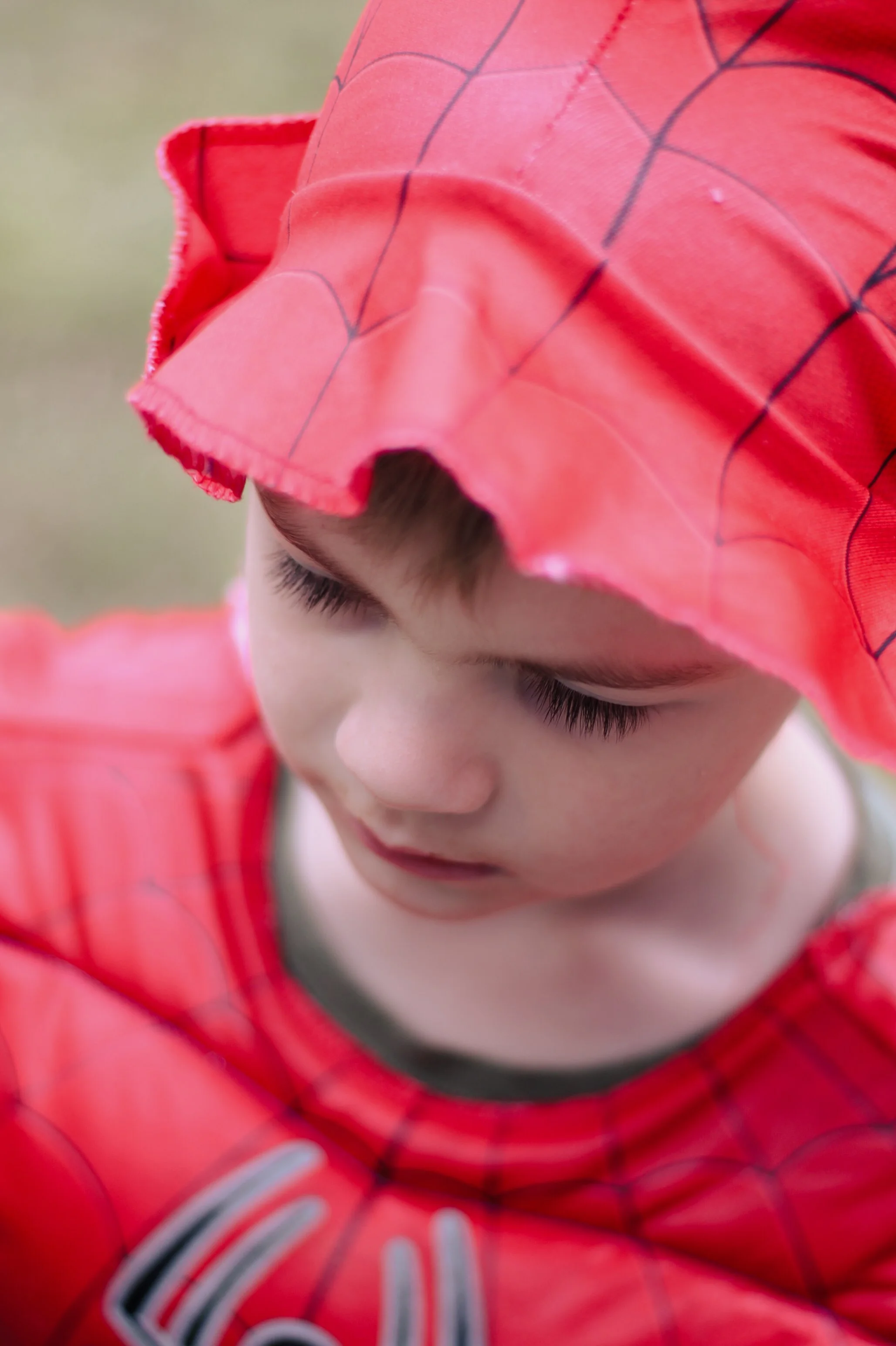
Imaginative play
Imaginative play is crucial for young children. Through pretend play, children can begin to make sense of their world and and the people around them. They often mimic the people around, which is just them trying to understand how the world works.
This is why our Preschool program offers an engaging dramatic play centre with realistic materials, that is intentionally set up to reflect the current interests of the children. These interests could be a hair salon because a child got a hair cut on the weekend, or a bakery to engage the child that loves to bake with mom. It could even become a bug hospital to expand the children’s interests in bugs! This is why our educators are always engaged with the children, observing their play and planning with intent and thought. It is so important to offer these meaningful experiences to children to enhance their learning and support their understanding of the world, because children often learn best by imitating those around them. That child rocking his baby? He is learning to take care of others. That child sweeping the floor? She is learning respect for her environment and developing self help skills.
Even through play, children are learning.
Outdoors & Gross motor
Spending time outdoors is an essential part of our day! We spend a minimum of 2 hours outdoors daily, weather permitting. When we are not able to go outdoors due to weather, we ensure the children are given opportunities to move their bodies indoors, through yoga, dancing, obstacle courses, and gross motor equipment located in our classrooms!
Children are given plenty of opportunities, indoors and outdoors, to move their bodies, build strength, and develop coordination through running, climbing, jumping, dancing and balancing!
Gross motor play invites children to explore safe risks, develop coordination and agility, understand their bodies and abilities, and know their limits. It also encourages spatial awareness and the ability to navigate their bodies in relation to their environment and their peers.
Science & Sensory
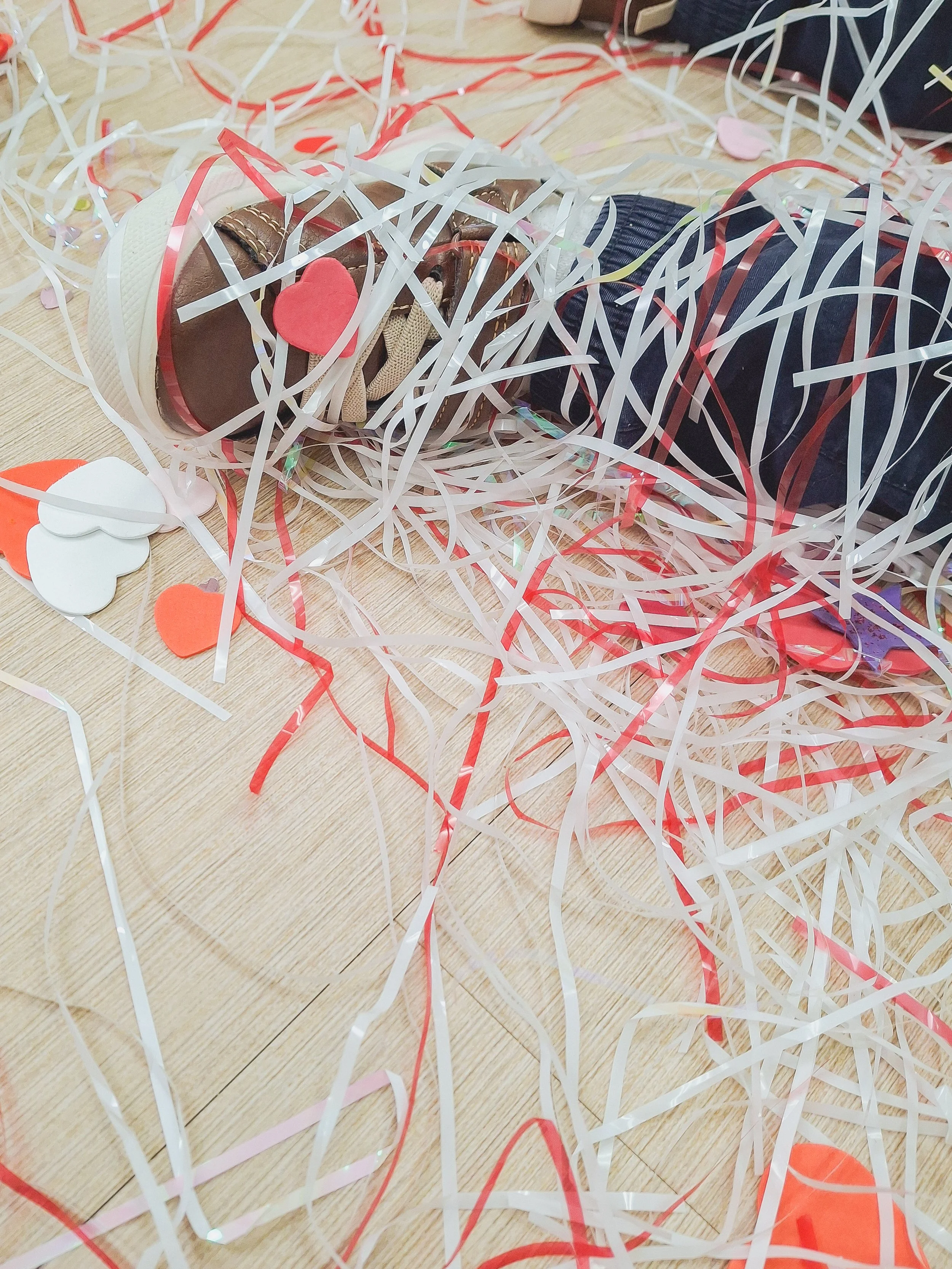
Preschoolers are constantly trying to understand the world around them. Have you noticed how many questions a 3 year old asks in a day? What do ants eat? What is ice made of? What is the smallest whale in the world? What happens when I mix these two colors together? Do fish have armpits?
Through science and sensory experiences, children develop early scientific skills such as predicting and testing out theories, problem-solving, and making connections. Educators support this learning through asking open-ended questions, and act as partners in learning, rather than the teacher. Educators often engage in research and exploration with the children.. because educators don’t always have the answer right away. (What IS the smallest whale in the world??) Our educators follow children’s interests and expand upon them. This promotes a sense of belonging for the children and creates meaningful learning opportunities.
Want more Information about our Centre?
“It’s the things we play with and the people who help us play that make a great difference in our lives.”